
Make Every Daily Choice Measurable
What Is Emotional Intelligence and Why It Matters
In a world that moves faster every day, learning to unlock the power of social intelligence, emotional regulation, and mindful choices in everyday life can completely change how you think, act, and connect. When you understand your emotions, you gain the ability to respond with purpose instead of reacting out of habit. This awareness shapes stronger professional relationships, deeper empathy, and better stress management in both work and personal life. By practicing mindfulness and emotional awareness, you begin to see patterns in your behavior and learn how to adjust them intentionally. Ultimately, emotional intelligence helps you live with balance, clarity, and compassion—qualities that define true personal growth.
Core Components You Can Measure
When you decide to build emotional intelligence, you’re really developing a set of interlinked capabilities. First comes self-awareness, your internal model of what you feel and why you feel it. Then flows self-management, your ability to act thoughtfully rather than impulsively. Next is social awareness, which covers reading nonverbal communication, picking up on emotional cues, and practising empathy development. Finally you have relationship management, using your emotional insights to steer collaboration, leadership and conflict resolution.
You could even imagine these as columns in a spreadsheet: awareness scores, regulation scores, empathy scores, interactions logged. By measuring how often you respond rather than react, or how often you pause before a heated conversation, you make progress visible. Many American workplaces now treat these metrics as part of workplace EQ development. (Southern New Hampshire University)
Why Emotional Intelligence Is a Measurable Life Skill
Consider this: a manager at a U.S.-based company once said that technical competence got someone hired, but emotional intelligence determined how long they stayed, how well they led, and how resilient they were through change. (Harvard Business School Online)
That anecdote echoes in research. Studies show that people with higher EQ have better stress management, better immune responses, lower worry over time. (PMC) They are also better at decision-making under stress, knowing when to pause rather than plow ahead. Your emotional health, readability of emotional cues, ability to rebuild after conflict — all of these can turn into metrics so you see real growth instead of vague improvement.
In that sense, developing emotional intelligence becomes like mastering a dashboard of your inner world — you calibrate, you measure, you improve.
How to Build and Measure Emotional Intelligence
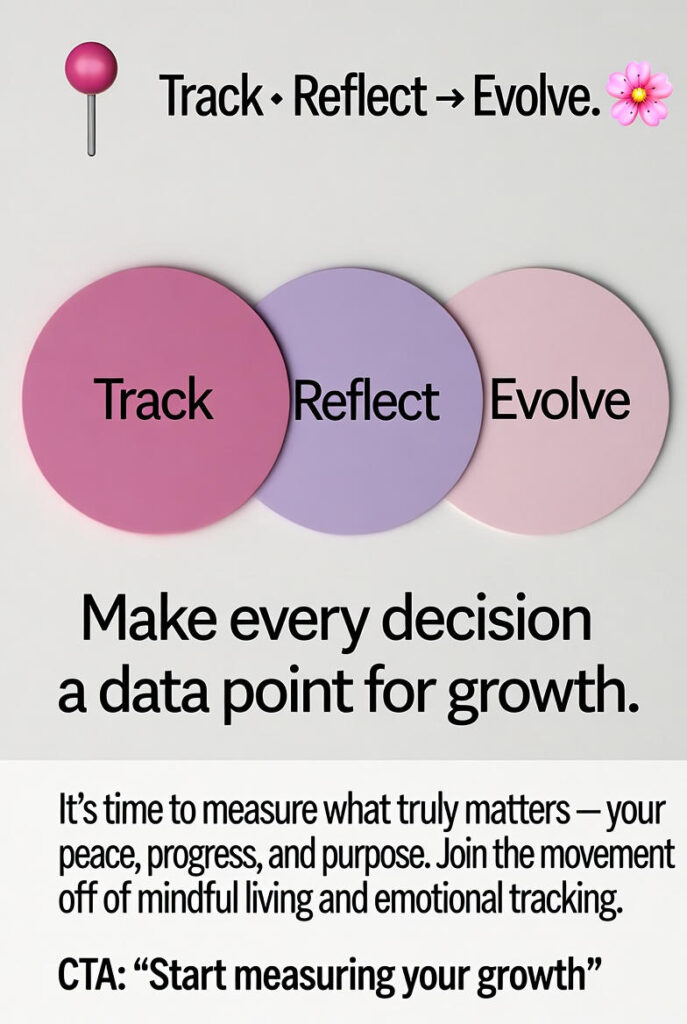
Begin by committing to one metric: maybe the number of times you pause and take three deep breaths before reacting. Or the number of times you log how you felt after a tough meeting. That kind of simple numerical tracking influences personal growth and helps you improve EQ in real life.
Next, adopt an emotional intelligence toolkit. This might include journaling apps, feedback from peers, even platforms like BetterHelp online therapy for extra insight. You practice mindfulness meditation or other mindfulness practice to foster awareness of body sensations, thoughts, emotional triggers. You map your responses, your emotional curves, and you aim for emotional balance and control over time.
You also intentionally build empathy and active listening by asking questions, noting nonverbal communication, and taking others’ perspectives. In teamwork or family settings you apply conflict resolution techniques, pause, reflect, respond—rather than react. You treat your emotional world like data: you log, you review, you grow.
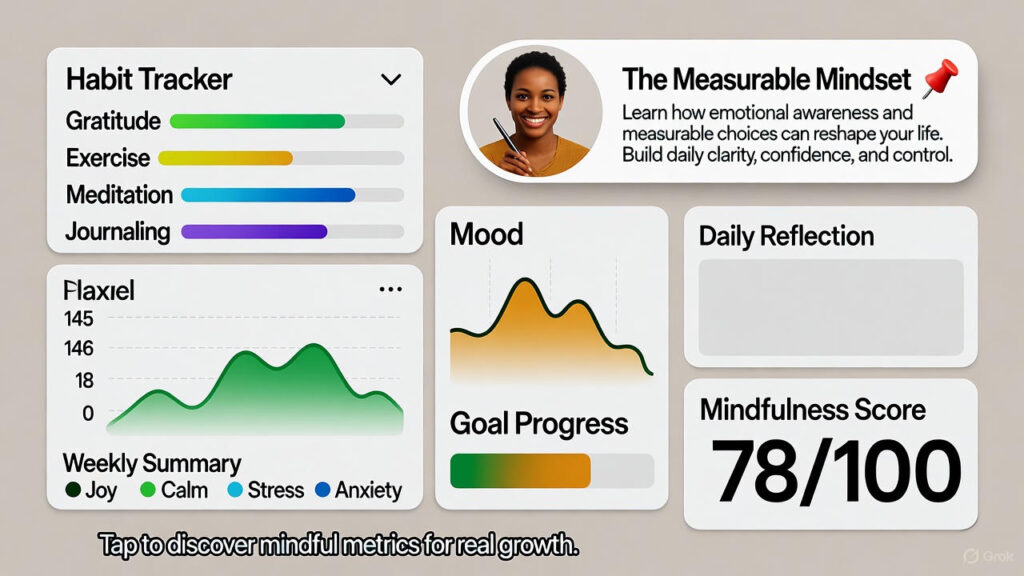
Table: Sample Metrics for Emotional Intelligence Tracking
| Metric | What to Record | Why It Matters |
|---|---|---|
| Number of pauses before reaction | Count how many times you wait before speaking | Builds self-management and emotional control |
| Emotion journal entries/week | Log your dominant emotion each day | Enhances self-awareness and emotional patterns |
| Empathy check-ins in meetings | Note responses to others’ feelings | Tracks social awareness and empathy development |
| Conflict occurrences/month | Record conflicts and how you handled them | Measures relationship management progress |
Conclusion: Your Life, Upgraded Through Emotional Intelligence
When you view your emotions not as vague sensations but as measurable data points, you unlock the power of social intelligence, emotional regulation, and mindful choices in everyday life. Whether it’s navigating work stress, shaping better friendships, or leading with greater clarity, you’re not just hoping to improve—you’re measuring your growth.
In the U.S., where change is constant and speed is often valued over reflection, mastering emotional intelligence gives you a competitive edge. Track your responses, refine your skills, embrace developing emotional resilience, and recognize that your emotional world is not outside your control—but is a domain you can quantify, improve, and transform.
Feel free to ask if you’d like case studies, deeper dive tools, or a downloadable worksheet to start measuring your emotional intelligence today.





Leave a Reply