
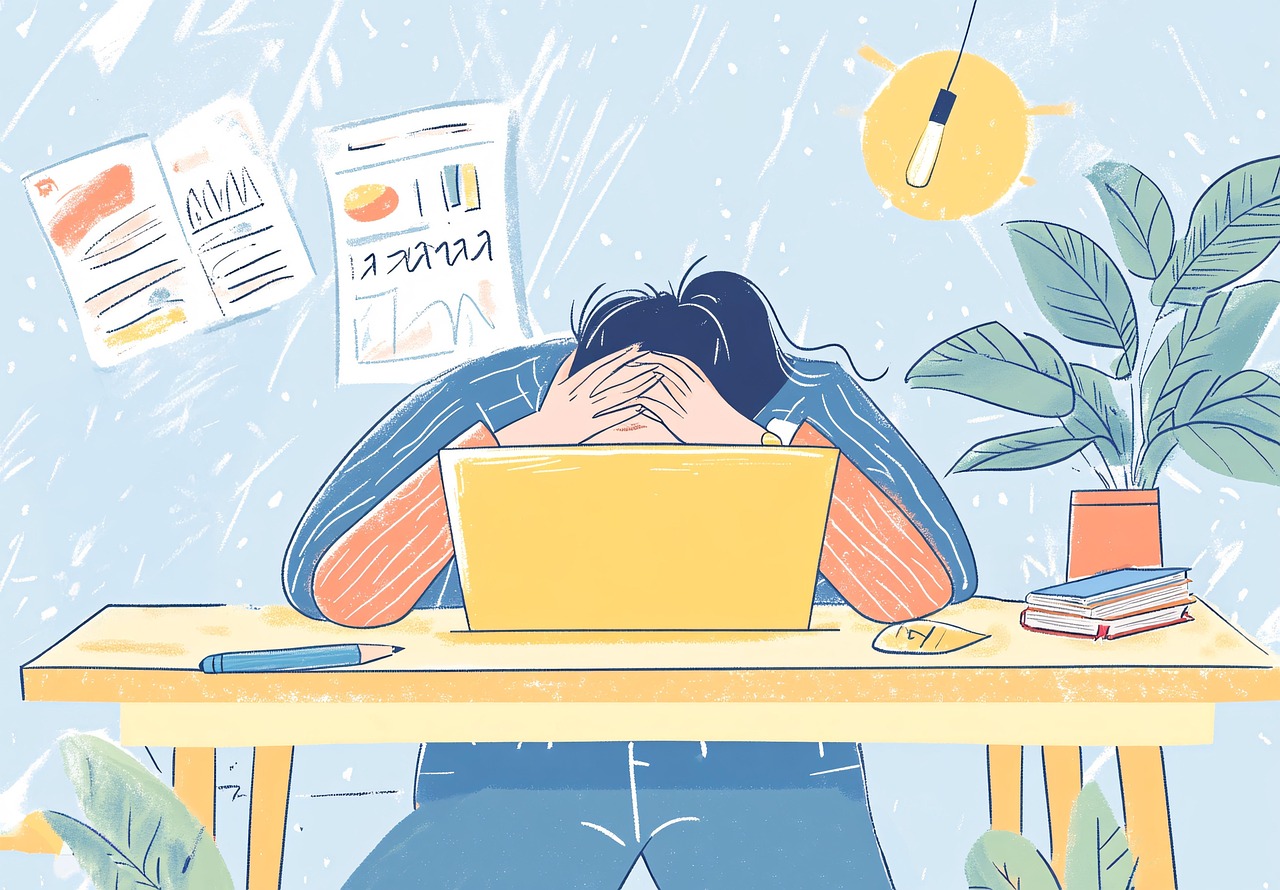
If you’re feeling constantly drained and disconnected from work you once loved, you’re not alone. You might be experiencing burnout, a state of profound emotional exhaustion caused by chronic stress. This isn’t just everyday tiredness; it’s a deep sense of being overwhelmed and emotionally drained that diminishes your performance and satisfaction. Understanding this modern epidemic is the crucial first step to reclaiming your energy, focus, and well-being in a demanding world.
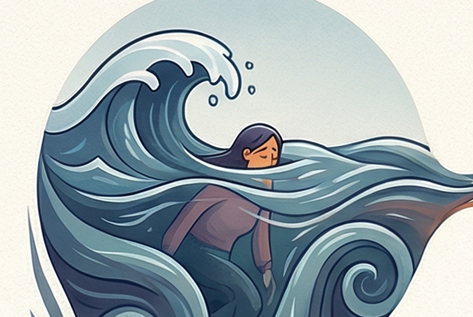
What Is Burnout? Understanding the Modern Epidemic
Burnout is the result of prolonged stress that hasn’t been managed. It goes beyond everyday tiredness. It’s a combination of emotional exhaustion, physical exhaustion, and mental exhaustion. You feel overwhelmed and emotionally drained by the constant demands of your life. This condition leads to a loss of motivation and a growing sense of cynicism about your work or responsibilities. The reduced productivity you experience isn’t from laziness; it’s from a system that’s running on empty. It’s a modern epidemic because our always-connected culture makes it harder to disconnect and recharge.
Many people wonder, “Am I burned out?” The key is to look at the persistence of your feelings. Everyone has bad days. Burnout is when every day feels like a bad day. The things that used to excite you now feel like burdens. Recognizing this state is the first critical step toward getting burnout help. Ignoring these feelings only allows them to grow stronger and more debilitating over time.
Burnout vs. Stress vs. Depression: Knowing the Critical Difference
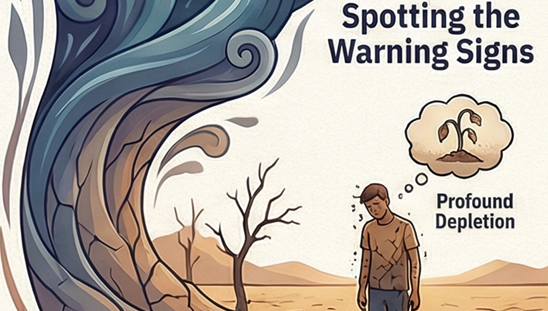
It’s easy to mix up these terms, but knowing the difference is crucial for finding the right solution. Stress involves too much. It feels like you are drowning in pressures, but you believe you can swim if you just manage your time better. Burnout, on the other hand, is about not enough. You feel empty, dried up, and beyond caring. If stress is drowning, burnout is being all dried up. Your motivation disappears, and hope feels out of reach.
Burnout vs. depression is another important distinction. While they can share symptoms like fatigue, depression is a broader medical condition. Burnout is typically linked to external stressors like your job or caregiving role. The negative outlook in burnout is often specific to your work situation. With depression, those feelings apply to all areas of life. Understanding this helps you seek the correct burnout treatment or professional care.
The 6 Archetypes of Burnout: Which One Are You?
Your experience with burnout often fits a pattern. Identifying your primary archetype can make the problem feel clearer and less isolating. See which one sounds most familiar in your life right now. This is your informal burnout test/quiz.
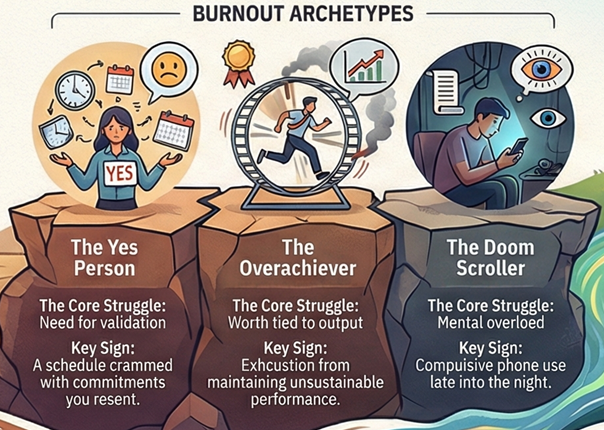
| Archetype | The Core Struggle | A Key Behavioral Sign |
|---|---|---|
| The Procrastinator | Anxiety about failure or starting. | Paralysis on important tasks, leading to last-minute panic. |
| The Doom Scroller | Mental overload and seeking escape. | Compulsive phone use late into the night, unable to disconnect. |
| The Yes Person | A deep need for validation and approval. | A schedule crammed with commitments you resent. |
| The Overachiever | Self-worth tied directly to output. | Exhaustion from maintaining an unsustainable level of performance. |
| The Quiet Quitter | Loss of engagement and a sense of unfairness. | Doing only the bare minimum while mentally checking out. |
| The Bed Rotter | Total systemic depletion of energy. | Struggling to find the energy for even basic daily tasks. |
The Complete Breakdown of Burnout Symptoms
The warning signs of burnout send signals through your entire being. Physically, you may experience constant fatigue, lowered immunity leading to frequent illnesses, and unexplained headaches and muscle pain. Sleep problems and appetite changes are also very common red flags. Your body is trying to tell you it cannot keep up with the current pace.
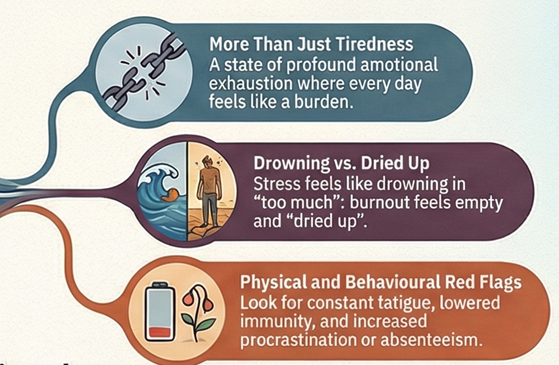
Emotionally and mentally, the symptoms are just as severe. You might battle a persistent sense of failure and nagging self-doubt. Feelings of detachment from your work and isolation from colleagues or loved ones become normal. Irritability flares up over small things. Behaviorally, you might see increased procrastination, using substance use like extra food or alcohol to cope, or even absenteeism from work. These are not personal failures. They are clear indicators that your current way of living is not working.
Root Causes and Risk Factors: Why Burnout Happens
Understanding the causes of burnout is power. Often, it starts at work. Key work-related triggers include a lack of control over your day, unclear expectations from managers, and a chaotic workplace environment. Doing monotonous work without challenge or receiving no recognition for your efforts are huge contributors. These factors chip away at your engagement day after day.
Your personal life plays an equally big role. Lifestyle choices like overworking, having no work-life balance, and sleep deprivation fuel the fire. A lack of social support makes everything feel heavier. Furthermore, certain personality traits can make you more vulnerable. If you have perfectionistic tendencies, a pessimistic view, or a need for control, you are at higher risk. It’s rarely one thing but a perfect storm of these internal factors and external pressures.
The 5 Stages of Burnout: From Passion to Exhaustion
Burnout doesn’t appear overnight. It follows a slow progression of symptoms through predictable stages. In the beginning, you experience the honeymoon phase. You are full of energy, ideas, and commitment to a new job or project. Everything feels exciting and possible. This initial enthusiasm is where the foundation is laid, often with unrealistic expectations about sustainable effort.
Without adjustment, this leads to stress onset. The initial excitement fades, and you notice your sleep problems beginning. Irritability and anxiety become more frequent visitors. This slides into the chronic stress stage, where you feel tired most of the time and cynicism grows. Next is the full burnout stage, where symptoms are critical and you feel empty. Finally, habitual burnout means the exhaustion feels like a permanent part of your life. Knowing these developmental models helps you identify where you are and how urgently you need to act.
The High Cost of Ignoring Burnout
Choosing to push through burnout has serious consequences. The spillover into home/work/social life can ruin relationships and your reputation. Your health pays a steep price, with long-term health changes like a weakened heart and a vulnerability to illness due to chronic stress hormones. This state directly causes decreased satisfaction in everything you do.
The career costs are just as high. Your performance suffers, creativity vanishes, and mistakes increase. This can lead to missed promotions or even job loss. The financial strain from medical bills or lost income adds another layer of stress. Ignoring the red flags doesn’t make you stronger. It risks your health, your career, and your happiness. Getting burnout help is an investment, while ignoring it is a guaranteed cost.
How to Deal with Burnout: An Evidence-Based Recovery Plan
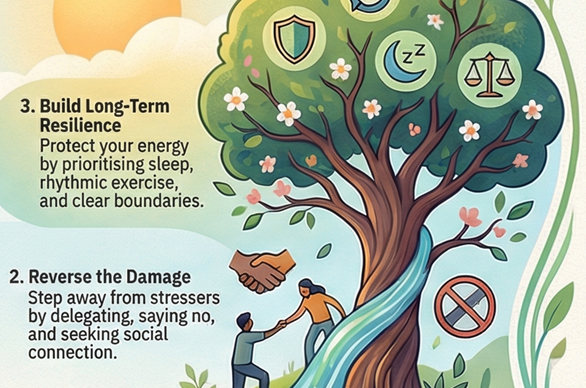
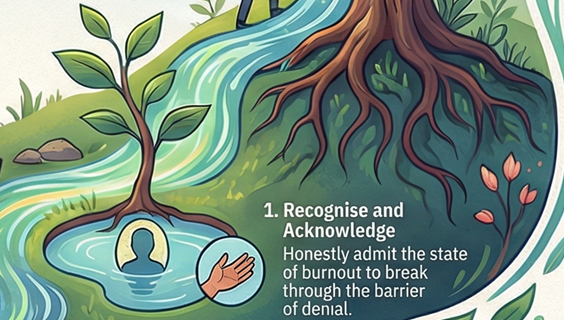
So, how to deal with burnout effectively? Experts recommend a structured “Three R” approach: Recognize, Reverse, and Build Resilience. First, you must Recognize and acknowledge you’re in this state. Denial is your biggest enemy here. Honestly admit to yourself that you are experiencing burnout. This acceptance is the foundation of all coping strategies.
Next, work to Reverse the damage. This involves stepping away from the sources of stress. This might mean using vacation time, delegating tasks, or saying no to new requests. You must also actively seek social connection. Talking with a trusted friend is a powerful way to manage overwhelming stress. Finally, focus on building Resilience. This is the long-term work of changing the habits and thought patterns that led you here. This burnout recovery plan is not a quick fix but a roadmap back to yourself.
Turning Knowledge into Action: Your First Steps
Knowing what to do is different from doing it. Your first steps to recovery should be small and immediate. Choose one self-care for burnout action to do tomorrow. Can you take a full 30-minute lunch break away from your desk? Can you turn off your phone notifications after 7 PM? These small actions prove you have control. They create a “win” that builds momentum.
Another powerful step is to reevaluate your priorities. Ask yourself what truly matters. Then, practice learning to say no to one thing that doesn’t align. This creates space. Also, try a digital detox for one hour each evening. This quiet time allows your nervous system to reset. These actionable steps are how you start to regain energy bit by bit. The goal is progress, not perfection.
Final Thoughts and Long-Term Strategies
Recovering from burnout is a major victory, but the real goal is to build a life where it doesn’t come back. Sustainable well being requires ongoing attention. Make regular exercise a non-negotiable part of your week; rhythmic movement like walking is incredibly healing. Prioritize sleep as your number one health tool. A healthy diet with more Omega-3s supports brain health and mood.
Remember the power of giving in small ways—it connects you to others and boosts meaning. Continue to set boundaries to protect your energy. If old patterns creep back, don’t panic. See it as feedback and adjust. If you struggle, speak to a professional. A licensed therapist can provide essential tools and support. You now have the knowledge and the plan. Your journey back to a hopeful, energized life is not just possible—it starts with your next choice.





Leave a Reply