

A Guide to Calculators and Their Usage in Daily Life

Whether you’re splitting a dinner tab with friends, calculating interest on a new home loan, or double-checking your monthly budget, calculators and their usage serve as silent partners in our most important daily decisions. We often take that little grid of buttons for granted, yet it bridges overwhelming data and clear, actionable choices. In a world driven by “big data,” crunching numbers isn’t just a technical skill—it’s a form of mindfulness. By leaning on these tools to handle arithmetic’s heavy lifting, you free up mental energy to focus on the “why” behind your finances and habits. Applying these data-driven insights moves you from guessing to knowing, transforming a cluttered routine into a streamlined, intentional lifestyle.
The impact of this mathematical literacy extends beyond anecdotal evidence. According to research published in the Journal of Consumer Research, individuals who utilize tools to visualize and calculate their financial data feel significantly more in control of long-term goals while exhibiting lower stress levels about spending. Understanding how to leverage these tools effectively—from basic four-function devices to complex scientific models—is your first step toward mastering the numbers that shape your world. Mindful decision-making becomes second nature when you have reliable data at your fingertips.
Why Data-Driven Living is the Secret to Stress-Free Decisions
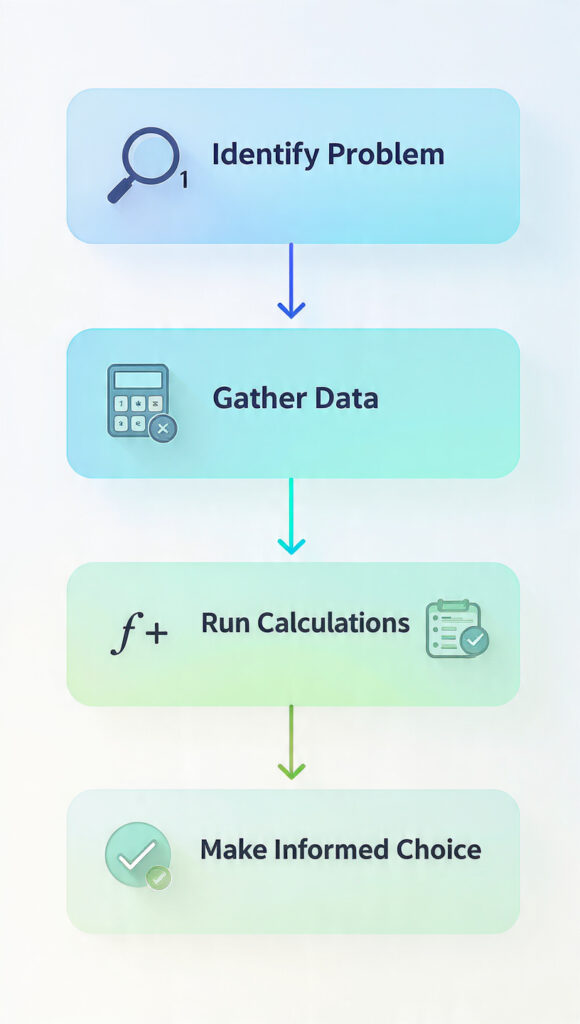
To get the most out of our tools, strip away that “math class” intimidation and examine what’s actually happening when you punch in those numbers. Think of calculators and their usage as your mental bicycle—just as a bike helps you travel further without exhausting yourself, a calculator lets you process complex information quickly without the brain fog of manual long division. Data insights represent those “aha!” moments when random numbers transform into clear stories about your habits. Decision-making strategies become your game plan for choosing Path A over Path B based on facts rather than gut feelings that might mislead you. This is mindful living in action: being intentional about where your resources go rather than wondering where your paycheck vanished at month’s end.
The Science of Mathematical Literacy and Mental Clarity
Recent research confirms that moving away from gut-feeling math leads to measurable life improvements. A 2025 survey by Academy Bank revealed that 88.7% of respondents reported higher confidence in managing their finances when utilizing budgeting tools and financial decision-making tools. Furthermore, 83.1% followed budgets more strictly with digital aids compared to manual tracking. The study found that nearly 80% of weekly tool users recognize them as “very helpful” for overcoming common hurdles like overspending. When it comes to habit formation, data acts as the ultimate motivator—a 2024 systematic review published in PMC demonstrated that tools providing real-time feedback and behavioral analytics significantly increase success rates. Life analytics aren’t just buzzwords; they’re proven pathways to better outcomes.
5 Practical Ways to Use a Calculator Every Day
Transitioning from mental math stress to a data-driven lifestyle doesn’t require a statistics degree. It’s about building small, consistent habits that let your tools handle the heavy lifting. Follow these five simple steps to start using calculators and their usage to simplify your daily routine:
First, identify your “guesstimate” zones—areas where you typically wing it, like groceries or travel time. Spend one day noticing when you say “I think it costs…” and pick one category to track with 100% accuracy for a week. Second, develop the unit price habit by ignoring big price tags and calculating price per ounce or gram instead. If it isn’t listed, pull out your phone calculator. Smart budgeting strategies begin with understanding true value, not just package size.
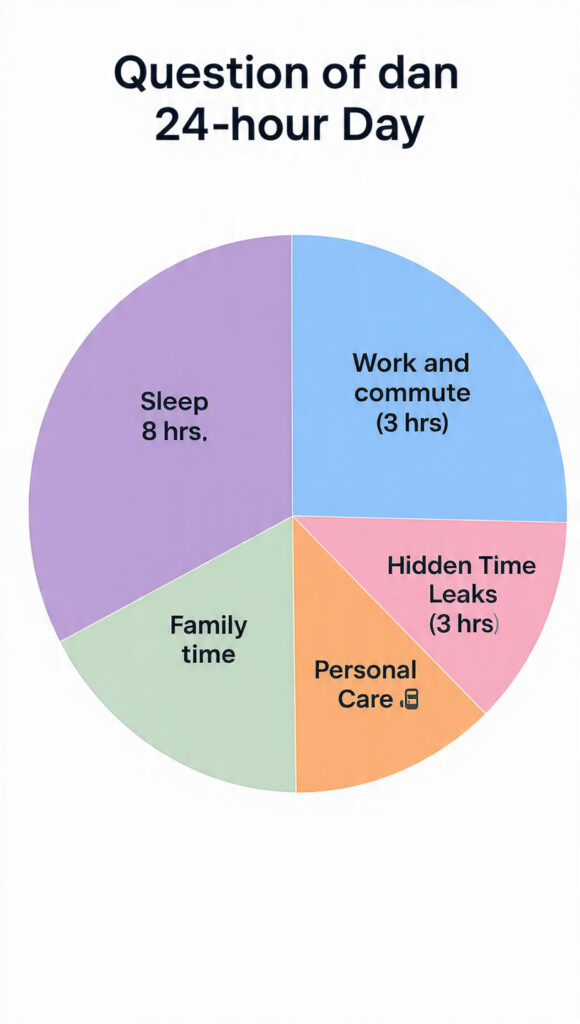
Third, audit your time like money by multiplying daily repetitive tasks by 365 to see their annual cost. Fourth, create a “pause and punch” rule: before any purchase over a certain amount, subtract that cost from your current balance. Seeing the new total on screen provides a data-driven reality check that prevents impulsive spending. Fifth, visualize small wins by using compound growth calculations to project where you’ll be in six months. Data turns vague hopes into visible targets.
Shopping Smarter with Unit Price Calculations

Imagine standing in a store aisle comparing two laundry detergent boxes. One “Mega-Pack” costs $18.99 while the standard size runs $12.49. Your brain assumes bigger means cheaper, but a 10-second unit price calculator calculation reveals the smaller box is actually 15% more economical. By using a calculator, you’ve moved from a marketing-led decision to a data-led one, saving money over time. This simple habit exemplifies why calculators and their usage matter—they cut through corporate fog and reveal hidden truths. Price per unit calculations protect your wallet from deceptive packaging while ensuring you genuinely receive value for every dollar spent.
Auditing Your Time: The “Time-Money” Connection

Consider someone trying to improve fitness who thinks, “I only walked 15 minutes today—it’s not even worth it.” However, using a calculator to project that 15 minutes daily adds up to 91 hours of exercise annually provides powerful perspective. That data shifts their mindset from “this is pointless” to “this is progress,” which captures the essence of mindful living. Mindful habit tracking transforms how you perceive small efforts by revealing their cumulative impact. When you calculate the annual equivalent of daily micro-actions, you gain motivation that abstract goals never provide. Time audits expose where your hours actually go versus where you think they go.
Top Apps and Tools for Life Analytics in 2026
To turn the calculators and their usage philosophy into reality, you need the right digital ecosystem. In 2026, the best tools don’t just solve equations—they provide automated insights into your behavior and finances. Monarch Money stands as a powerhouse for predictive forecasting, helping you see how today’s choices affect your net worth years from now. You Need A Budget (YNAB) remains the gold standard for mindful decision-making, forcing you to give every dollar a job while its built-in calculators handle debt payoff projections. For shopping, the Price Compare Calculation App specializes in instant unit price math, highlighting true value without mental gymnastics. Browser extensions like CamelCamelCamel track historical price fluctuations, letting you decide whether to buy now or wait based on hard data rather than fear of missing out.
Habitify provides clean, data-heavy reports on your consistency through completion rates and trend lines. Atoms focuses on micro-habits and encourages reflection rather than just streak maintenance. Toggl Track offers simple but effective time auditing, calculating exactly how many hours you spend on specific tasks. Notion with Gemini Integration lets you build custom life hubs with AI-powered templates for decision-making matrices. These life analytics tools transform abstract concepts into concrete action plans.
Comparison of Tool Benefits
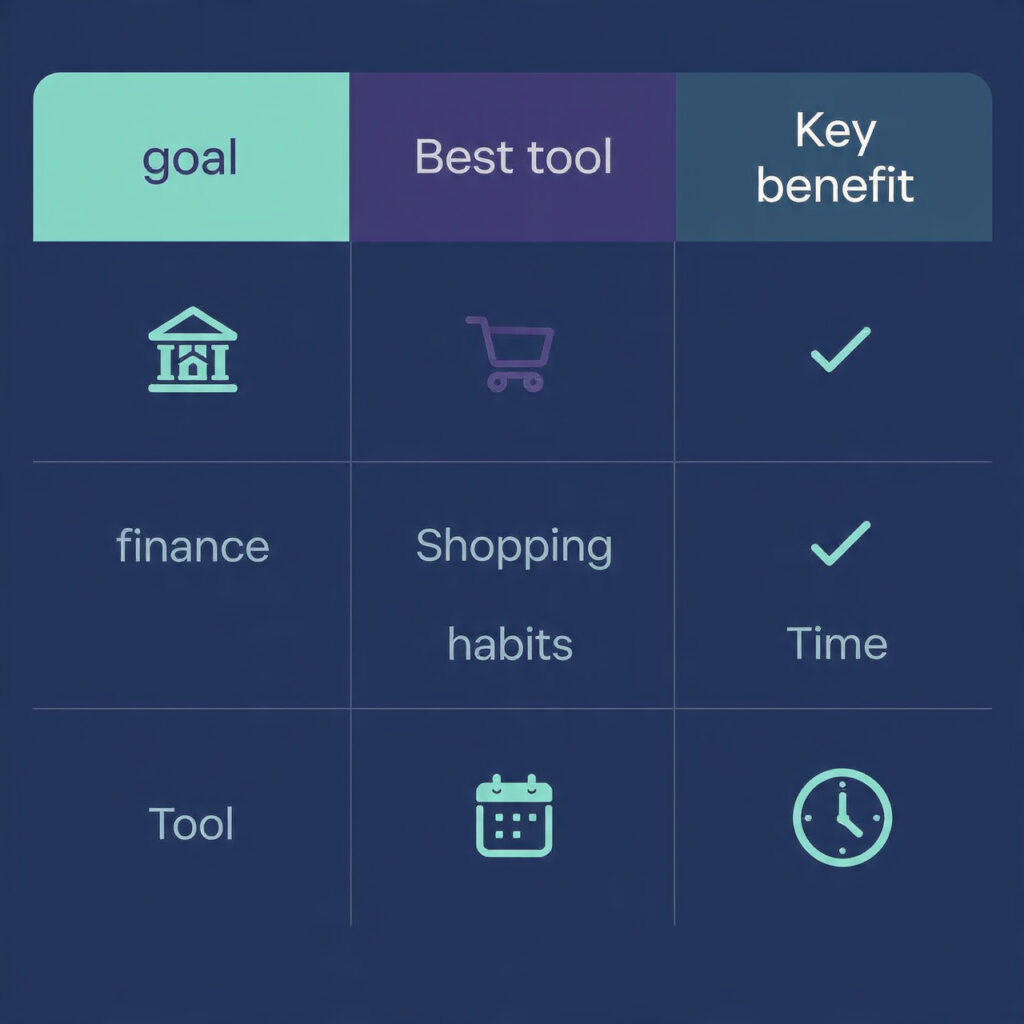
| Tool Category | Best For | Key Benefit |
|---|---|---|
| Finance | Monarch Money | Predictive forecasting of net worth |
| Shopping | Price Compare App | Instant true-value math while shopping |
| Habits | Habitify | Visualizing consistency via trend analytics |
| Time | Toggl Track | Identifying time leaks in daily routine |
Overcoming Math Anxiety: Shifting Your Mindset
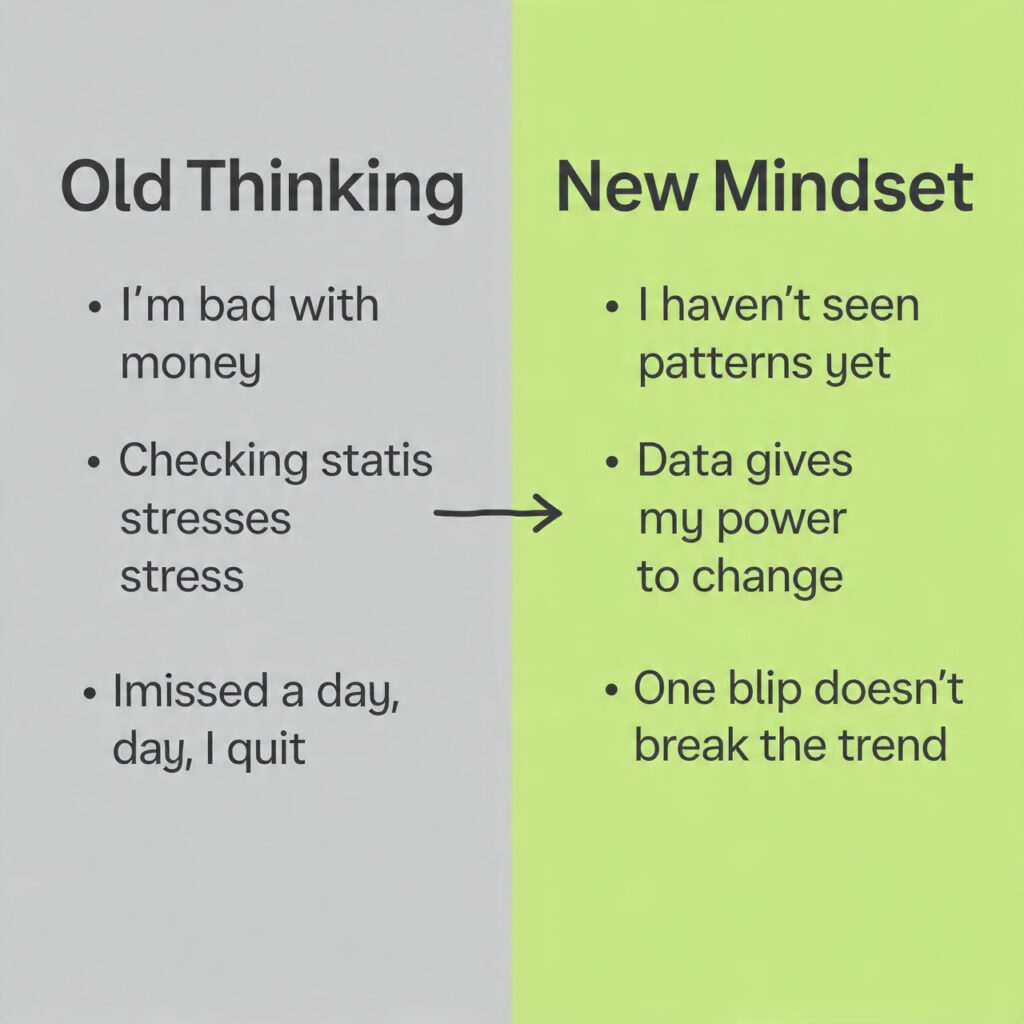
The path to a more calculated, intentional life rarely runs straight. Most people stop not because the math is hard but because of how the data makes them feel. Let’s dismantle common myths so you stay on track. Many of us carry “math trauma” from school, believing we aren’t “numbers people.” This creates mental blocks when opening calculators. Remember: you aren’t being graded! In real life, a calculator collaborates rather than examines. You don’t need calculus knowledge—just which buttons to push for answers. Start with low-stakes math by calculating something fun, like how many show episodes you could watch by reclaiming 20 daily scrolling minutes.
Analysis paralysis strikes when you feel you must track everything—every calorie, penny, and minute. This leads to burnout within a week. Practice selective tracking instead. Data-driven living isn’t total surveillance but targeted insight. Pick one problem area like your grocery bill and ignore the rest temporarily. Once that feels easy, rotate to new categories. Excellence emerges from focus, not volume. The bad data guilt trip happens when you open apps and see red days or overspent budgets. Shift from judgment to curiosity. Data remains neutral—it doesn’t care about your latte or missed workout. Your new mantra: “This data shows my current plan doesn’t match reality. How can I adjust?”
The myth of perfect accuracy suggests that imperfect tracking renders data useless. Embrace the “directionally correct” rule: 80% accuracy infinitely beats 0%. Use estimates when needed. Knowing you spent “about $50” provides actionable data. Don’t let perfect become the enemy of better.
Case Study: From Hustle to Harmony Using Data
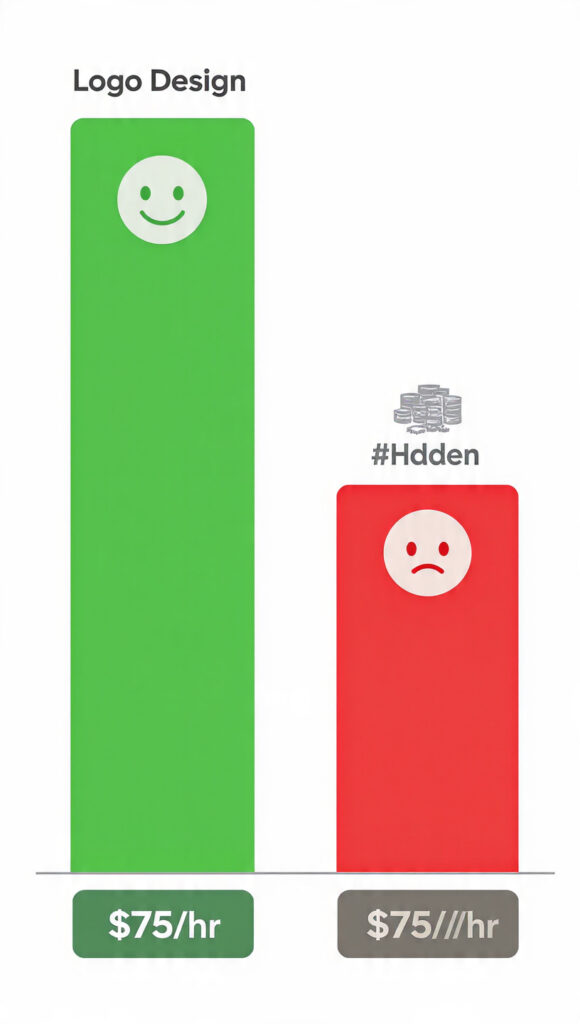
Sarah, a freelance graphic designer, found herself trapped in hustle culture—working 60-hour weeks yet consistently feeling broke and exhausted. She felt like she worked hard and charged fair rates, but she never used calculators to track her Effective Hourly Rate (EHR). She assumed $1,000 projects meant big wins regardless of completion time. In early 2025, Sarah stopped guessing and implemented three tracking habits: time tracking for hidden work minutes, expense categorization subtracting costs from gross income, and applying the EHR formula. After one month, shocking insights emerged: her “big” $1,000 projects actually paid less than $15 hourly due to scope creep, while smaller $300 logos netted $75 hourly because they were streamlined.
Armed with this data, Sarah fired low-value clients, automated admin tasks saving four weekly calculation hours, and raised rates using data confidence. Within six months, she reduced working hours by 25% while increasing take-home pay by 40%. By replacing gut feelings with basic calculators, she transformed her business from stress source to streamlined wealth engine. This exemplifies why calculators and their usage matter—they reveal hidden truths that intuition masks.
10 Power Formulas for Everyday Decision-Making
Financial Power Formulas
- Rule of 72: 72 ÷ Interest Rate = Years to Double
Use this to estimate wealth growth—with 7% returns, your money doubles in about 10 years. - Return on Investment (ROI): (Current Value − Initial Cost) ÷ Initial Cost × 100 = ROI%
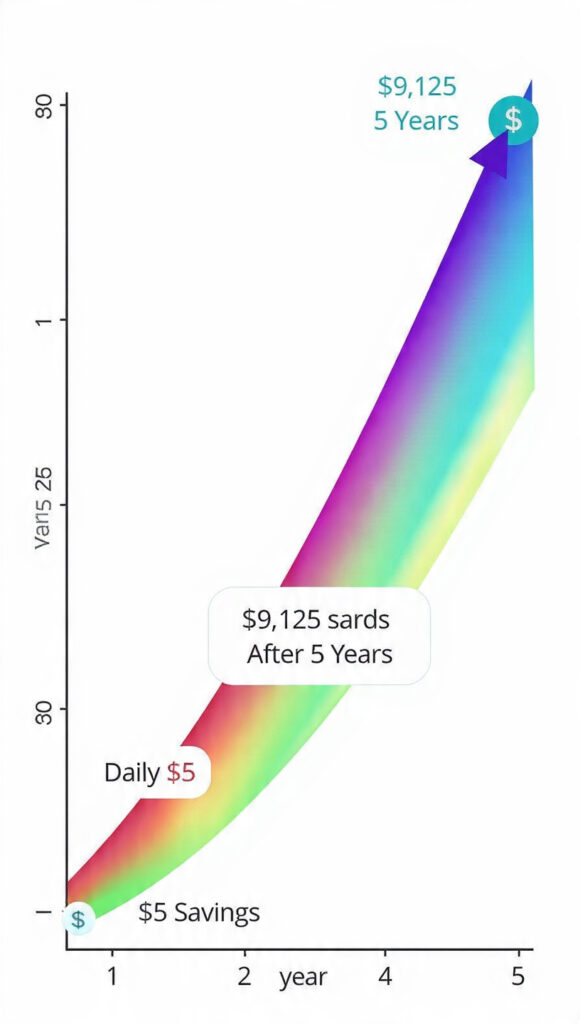
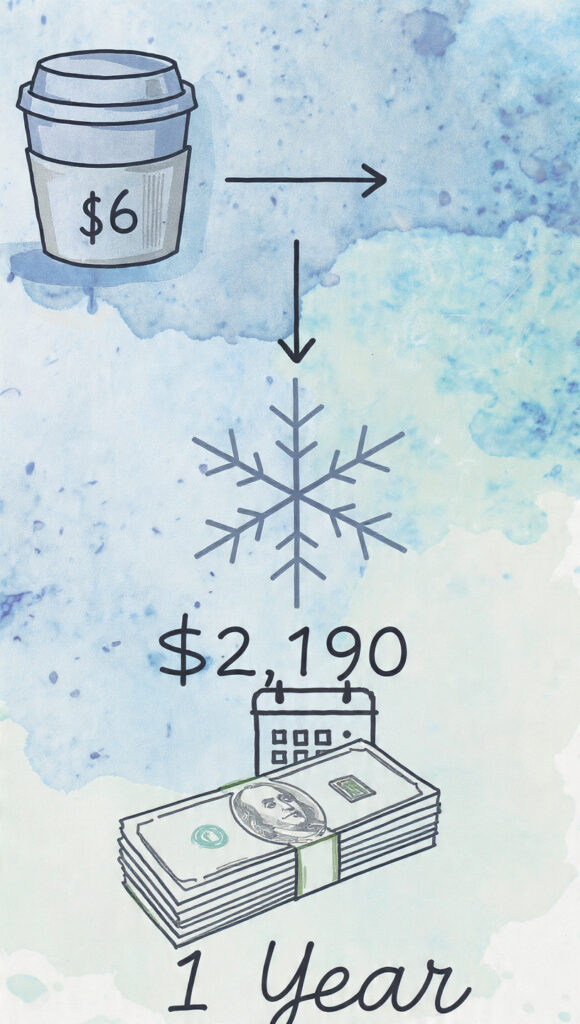
Determine whether purchases or projects actually paid off. - Debt Snowflake: Daily Saving × 365 = Annual Debt Reduction
Skipping a $6 latte daily puts $2,190 toward credit card balances annually.
Productivity & Time Formulas
- Planning Fallacy Buffer: Estimated Time × 1.5 = Realistic Deadline
Humans underestimate task duration—build in buffers to avoid stress. - Effective Hourly Rate (EHR): (Total Pay − Expenses) ÷ Total Hours Worked = True Hourly Wage
Essential for freelancers to see whether “high-paying” gigs actually pay well after preparation time.
Smart Consumer Formulas
- Price Per Unit: Total Price ÷ Quantity = Unit Price
The ultimate grocery shopping tool for finding genuine value. - Cost Per Use: Purchase Price ÷ Expected Uses = Cost Per Use
A $200 coat worn 100 times ($2/use) beats a $40 coat worn 5 times ($8/use).
Wellness & Habit Formulas
- Basal Metabolic Rate (BMR):
Men: (10×kg) + (6.25×cm) − (5×age) + 5
Women: (10×kg) + (6.25×cm) − (5×age) − 161
Know your body’s energy floor before adding exercise. - 1% Habit Compounder: 1.01³⁶⁵ = 37.78
Getting 1% better daily makes you 37 times better annually. - Water Intake Baseline: Weight (lbs) × 0.5 = Daily Ounces
Quick dehydration checks explain fatigue causes.
| Formula Name | Best For | Impact |
|---|---|---|
| Rule of 72 | Long-term Savings | Financial Freedom |
| Cost Per Use | Sustainable Shopping | Less Waste / Better Quality |
| EHR | Career/Side Hustles | Work-Life Balance |
| 1% Compounder | Personal Growth | Motivation/Perseverance |
Your Key Takeaways for Data-Driven Living
Success isn’t built on lucky guesses but on clear, intentional choices. The humble calculator transcends its math-class reputation—it’s a GPS for finances, a stopwatch for habits, and a clarity-filter for daily decisions. By embracing data-driven living, you stop being a passenger in your routine and start sitting in the driver’s seat. Whether you begin by calculating true grocery unit prices, auditing screen time, or finally figuring your effective hourly rate, the goal remains constant: moving from “I think” to “I know.” Tools act as force multipliers, handling heavy lifting so your brain focuses on strategy and joy. Data remains neutral—use it as a compass for course correction, not a stick for self-beating. Consistency in tracking small metrics leads to massive shifts in long-term outcomes.
The most sophisticated tool won’t change your life until you hit the first button. Start today. Pick one “guesstimate zone” and run the numbers. You might be surprised at what the data reveals about your path forward.
Join the Conversation!
What area of your life have you started using data or calculators to improve? Is there a “math hurdle” holding you back? Share your stories, tips, or questions in the comments below—let’s build a smarter, more mindful community together!




Leave a Reply